Rolls explain themselves
Attack vs AC, saves, advantage, disadvantage, crits and modifiers are presented as readable combat events, not hidden automation.
Combat engine
The feature set is split out so DMs can understand exactly what War handles, what remains manual and where they can intervene.
Inside the engine
Initiative, action bar, resolution panel. Attack vs AC, advantage, crits and fumbles — every roll explained card-to-card. Override anywhere.
Live HP, conditions, concentration. Durations tick down on their own and the engine prompts at end-of-turn so nothing gets forgotten.
AoE templates, line-of-sight, fog and lighting, opportunity attacks. Monster AI takes the goblins' turns when you'd rather not.
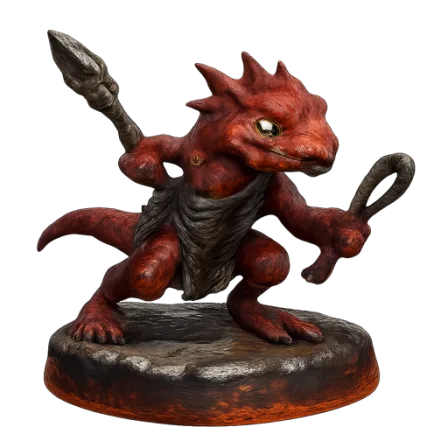
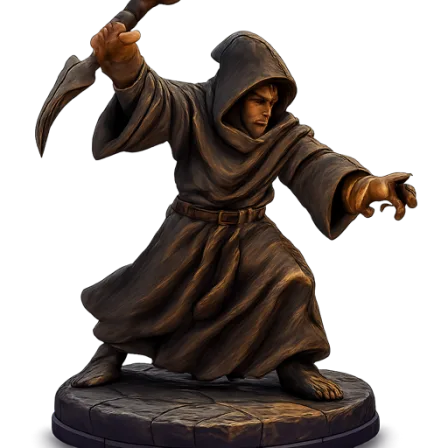
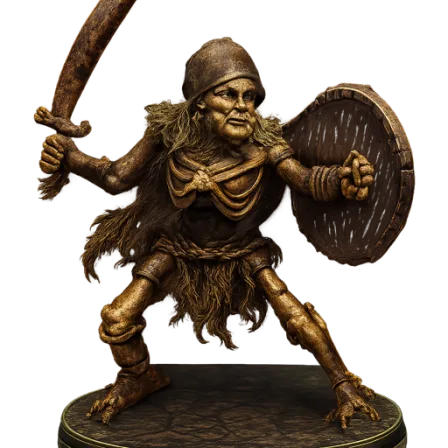
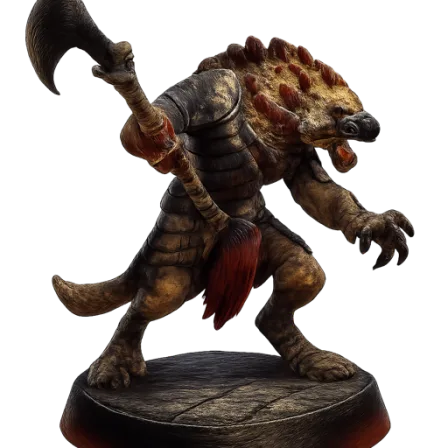
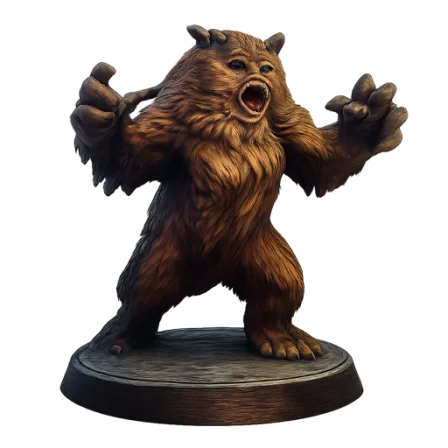
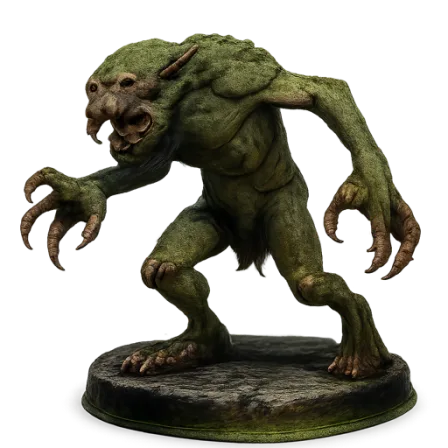
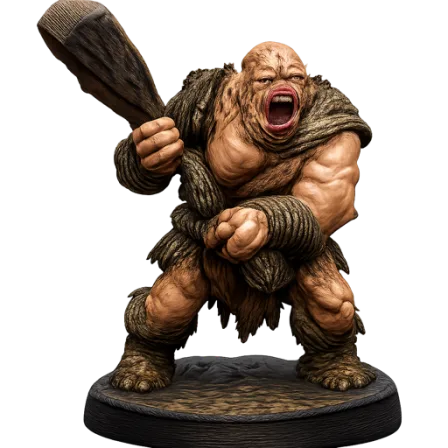
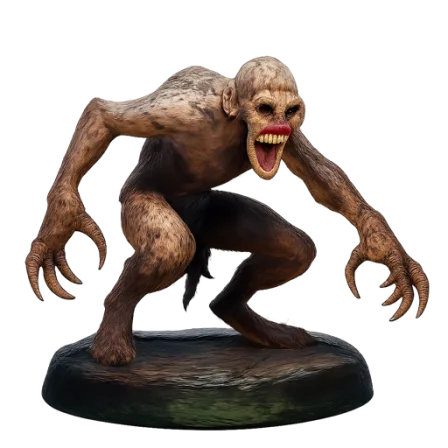
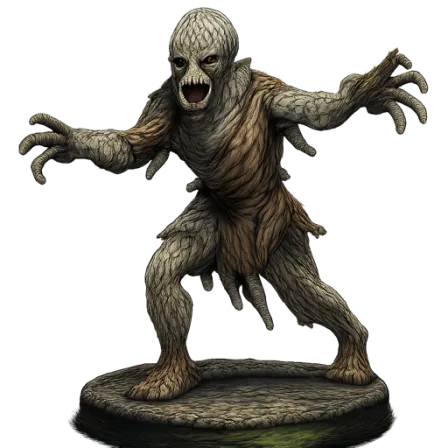
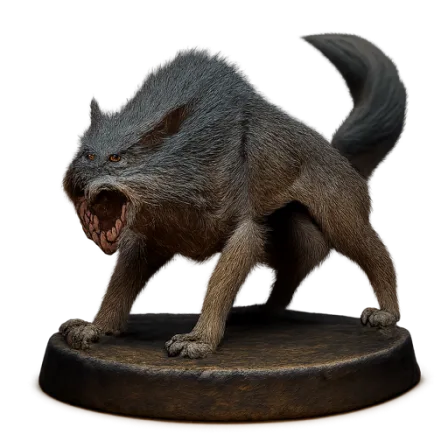
Every creature stands as a painted miniature on a platform. No art for it yet? The forge paints one the first time you summon it.
Steel clashes, spells crack, monsters growl on their turn, a horn opens the fight. Optional dungeon score underneath. All toggleable.
AI narration turns the dice math into a blow-by-blow you can read aloud — or ignore. The story stays yours; the engine just drafts.
We track the conditions. We roll the saves. You decide the story.
Engine detail
War should feel like a fast DM assistant, not a black box. The UI keeps the reason for each outcome close to the mini that caused it.
Attack vs AC, saves, advantage, disadvantage, crits and modifiers are presented as readable combat events, not hidden automation.
Durations, concentration checks, death at zero and turn-end reminders travel with the token so the fight does not leak details.
AoE templates, line-of-sight, fog, lighting and opportunity attacks give the board enough structure for tactical play.
Automation is interruptible. Override a roll, force a save, change damage or take over a creature without fighting the UI.
No prep required
Your first encounter is pre-rolled. The minis are painted. The only thing missing is initiative.